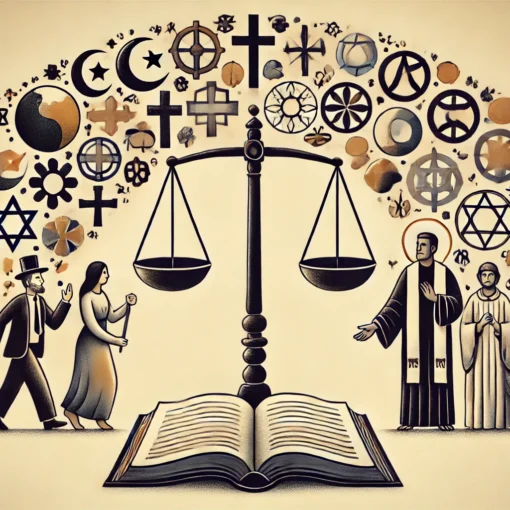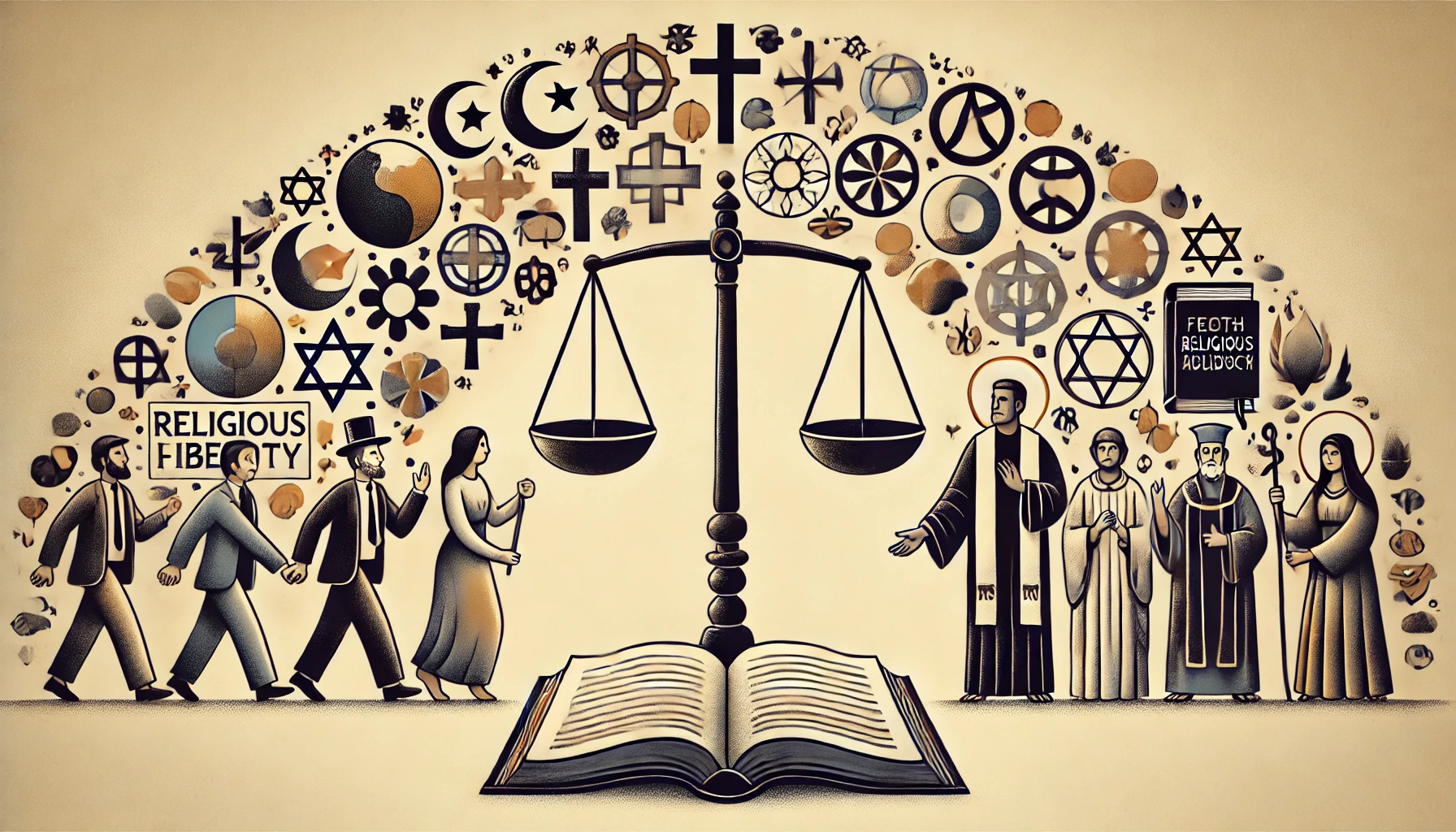
If a precious gift is offered but the intended receiver is unaware, is there any real value in the gift? If asked to make a sacrifice to protect something that is not valued, is the sacrifice likely to be freely made?
This is, apparently, the situation in America today as it relates to the gift of religious freedom proffered by our nation’s founding fathers. These framers of the U.S. Constitution were adamant that the God-given right to exercise individual conscience is “the most sacred of all property.” James Madison said, “The civil rights of none, shall be abridged on account of religious belief or worship, nor shall any national religion be established, nor shall the full and equal rights of conscience be in any manner, or on any pretext infringed.”
Emerging in the all too prevalent rancor of modern society, however, is a new ideology that seems to ignore, and even recoil at the notion of the gift of religious freedom. This gift that was intended to be foremost “among the features peculiar to the political system of the United States” is often undervalued if valued at all.
This anti-religious protection ideology can be attributed to constitution illiteracy in the rising generation.
It is difficult to argue against the notion that constitutional literacy is declining. Over two years ago the Annenberg Public Policy Center stated that “Many Americans are poorly informed about basic constitutional provision.” They defended this statement by citing national survey results.
They found that:
- Only a quarter of Americans (26 percent) can name all three branches of government.
- Unprompted, 37 percent could not name any First Amendment rights.
- Only 15 percent of respondents could name freedom of religion as a protected right.
It is self-evident that Americans can not value what they do not even know they have and they will not be willing to protect what they do not value.
“Protecting the rights guaranteed by the Constitution presupposes that we know what they are. The fact that many don’t is worrisome,” said Kathleen Hall Jamieson, director of the Annenberg Public Policy Center (APPC) of the University of Pennsylvania.
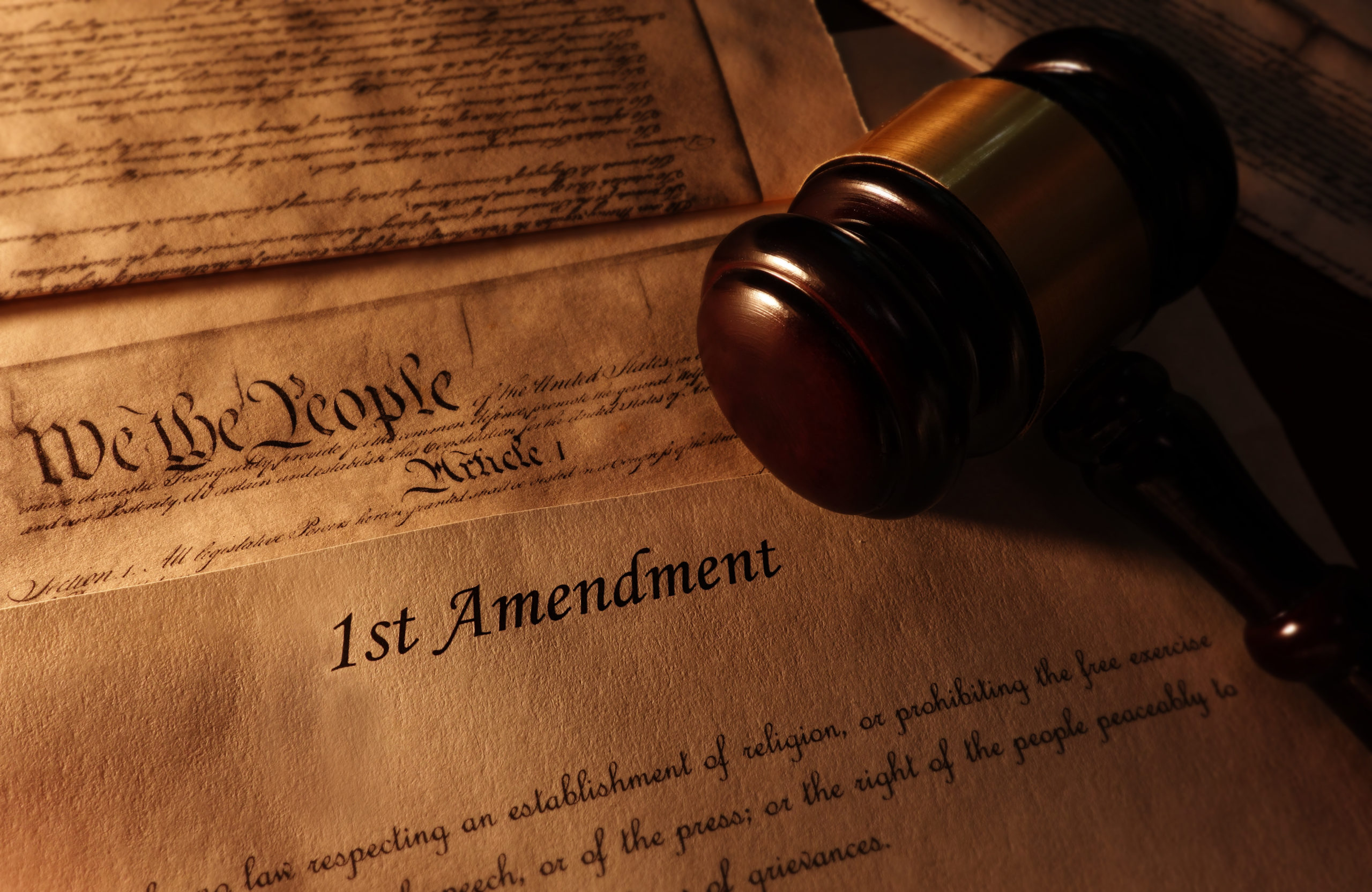
Exactly what does the First Amendment of the U.S. Constitution say about religious freedom?
The First Amendment reads: “Congress shall make no law respecting an establishment of religion, or prohibiting the free exercise thereof…”
What this means in today’s modern world is a subject of much debate. Some maintain that the “or prohibiting the free exercise thereof” part of this statement can be ignored. They are satisfied with the idea that Congress can not establish a religion. Others argue that this First Amendment clause means only that the framers intended that the people should have freedom from all religions and they bristle at the slightest influence of religion in our society.
Ms. Jamieson continued, “These results emphasize the need for high-quality civics education in the schools and for press reporting that underscores the existence of constitutional protections.”
While religious leaders may, with good reason, wring their hands in anxious anticipation of the further eroding of religious liberties, the answers may be provided by looking beyond religious education toward improved civics education. We can not allow another generation to grow up with little to no understanding of the protection of their God-given rights afforded by the Constitution. If we do, we can expect that this new generation will value these rights even less and be even less willing to invest in their protection. The end result will ultimately be the complete undoing of the foundation of our free society, namely the U.S. Constitution.